Exploring the cultural significance of gambling throughout history
The Origins of Gambling
The practice of gambling can be traced back to ancient civilizations, where it served as both entertainment and a means of divination. Archaeological findings suggest that games of chance existed as early as 3000 BC in Mesopotamia, evidenced by dice made from animal bones. These early forms of gambling were often linked to religious beliefs, with some cultures using games to predict the future or communicate with deities. As societies evolved, gambling morphed into a recreational activity, reflecting the values and social structures of those times. In today’s context, platforms like https://topaz33-australia.com/app/ offer modern takes on these age-old practices.

In ancient Rome, gambling was widespread and integrated into various aspects of life. Roman soldiers, for example, engaged in games of chance during their downtime, fostering camaraderie and competition. The Romans also created laws around gambling, highlighting its societal importance. As the Roman Empire expanded, so too did the influence of their gambling culture, which spread to conquered territories and contributed to the establishment of games that are still popular today.
The East also holds a rich history of gambling, with China being particularly notable for its early engagement with games of chance. The Chinese developed intricate betting systems, leading to the creation of games like Keno and various forms of lottery. These activities not only provided entertainment but also served as a way for communities to bond and support one another economically. In this way, gambling emerged not only as a pastime but also as a vehicle for social cohesion and cultural identity.
Gambling in the Middle Ages
During the Middle Ages, gambling faced a complex evolution influenced by the moral and religious attitudes of the time. Many European countries saw gambling as a vice, often condemned by religious authorities. Despite this, underground gaming activities thrived, particularly in the form of card games and dice games. The church’s opposition only fueled a rebellious spirit among players, leading to the establishment of clandestine games that often took place in taverns and private homes.
As societies began to stabilize toward the end of the Middle Ages, gambling reemerged more openly in European culture. The invention of playing cards in the 14th century marked a significant turning point, giving rise to a variety of new games and betting practices. The establishment of casinos in Italy during the Renaissance period represented a culmination of this resurgence, turning gambling into a fashionable activity among the elite. These establishments provided an environment where social status could be both affirmed and challenged through games of chance.
The cultural significance of gambling during this period also extended to literature and the arts. Numerous writers and artists depicted gambling scenes, illustrating both the allure and dangers associated with the activity. These portrayals served to reflect societal values and concerns regarding fortune, fate, and human nature. Thus, gambling became not just a game, but a narrative thread interwoven into the fabric of medieval culture.
Gambling in Modern Society
The Industrial Revolution brought significant changes to gambling, transforming it into a mainstream activity enjoyed by the masses. The establishment of state-sponsored lotteries in the 18th and 19th centuries marked a pivotal moment, providing governments with revenue while offering citizens the chance to win life-changing amounts of money. This period also saw the rise of horse racing as a popular betting sport, exemplifying how gambling adapted to modern economic and social conditions.
In the 20th century, gambling underwent further transformation with the advent of the Las Vegas Strip and the legalization of various forms of gambling across the United States. Casinos became centers of entertainment, drawing in tourists and creating jobs. The glitz and glamour associated with these establishments contributed to a cultural fascination with luck and chance, further embedding gambling within the American identity. The rise of online gambling in the late 20th century added another layer of accessibility and appeal, allowing individuals to engage in betting from the comfort of their homes.
However, modern society’s relationship with gambling is not without challenges. The increase in gambling opportunities has led to growing concerns about addiction and its social ramifications. Public health campaigns and regulations have emerged to address these issues, emphasizing responsible gambling practices. The ongoing conversation surrounding the cultural significance of gambling reflects a society grappling with both the joys and pitfalls of chance, highlighting the complex nature of human behavior and risk.
The Intersection of Culture and Gambling
The impact of gambling on culture extends far beyond mere entertainment; it shapes social interactions, traditions, and even economic structures. Various cultures have unique gambling practices, often tied to local customs and celebrations. For instance, in some Indigenous cultures, gambling is seen as a traditional practice that fosters community spirit and connection. These cultural narratives influence how gambling is perceived and practiced within different societies.
Moreover, the influence of gambling can be observed in language and expressions, with phrases like “the odds are in your favor” or “betting the farm” entering everyday conversation. Such expressions reflect the deep-seated nature of gambling in human experience, symbolizing risk-taking and the pursuit of fortune. Through literature, film, and other forms of media, gambling is often portrayed as a metaphor for life’s uncertainties, exploring themes of fate, luck, and moral dilemmas.
As cultures continue to evolve, so does the role of gambling within them. The rise of esports and digital gambling represents a new frontier, blending technology with traditional forms of betting. This development showcases the adaptability of gambling practices in response to changing societal norms and technological advancements. It’s a testament to the enduring cultural significance of gambling, suggesting that while the form may change, the essence of chance and risk remains a constant feature of the human experience.
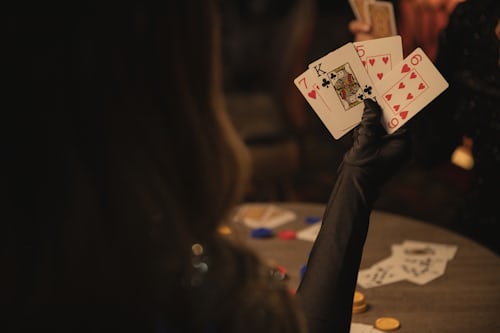
Topaz33: A Modern Gaming Experience
In the context of today’s digital landscape, platforms like Topaz33 illustrate how gambling has evolved to meet the needs of modern users. This cutting-edge mobile gaming platform caters specifically to Australian users, offering a seamless gaming experience without the need for downloads. With a diverse selection of over two thousand games, including pokies, live casinos, and sports betting, Topaz33 provides something for everyone, ensuring that players can find their preferred way to engage with gambling.
The emphasis on user-friendly navigation and instant access highlights the contemporary shift towards convenience and accessibility in gambling. Players can enjoy their favorite games on both iOS and Android devices, thanks to fast loading times and minimal lag. This accessibility not only broadens the audience but also ensures that players can participate in a responsible and enjoyable gaming experience, reflecting the ongoing evolution of gambling culture.
Additionally, Topaz33’s commitment to local payment options and 24/7 support speaks to the growing importance of user safety and satisfaction in the online gaming space. As gambling continues to develop and adapt, platforms like Topaz33 play a crucial role in shaping the future of this age-old practice, ensuring that it remains relevant and engaging for new generations while preserving the rich cultural narratives that have defined it throughout history.